How Licensing Variations Steer Player Shifts Between Live Dealer Formats and Digital Slot Themes in Cross-Border Mobile Ecosystems
Written by Rosa Schmid · Sep 13, 2026
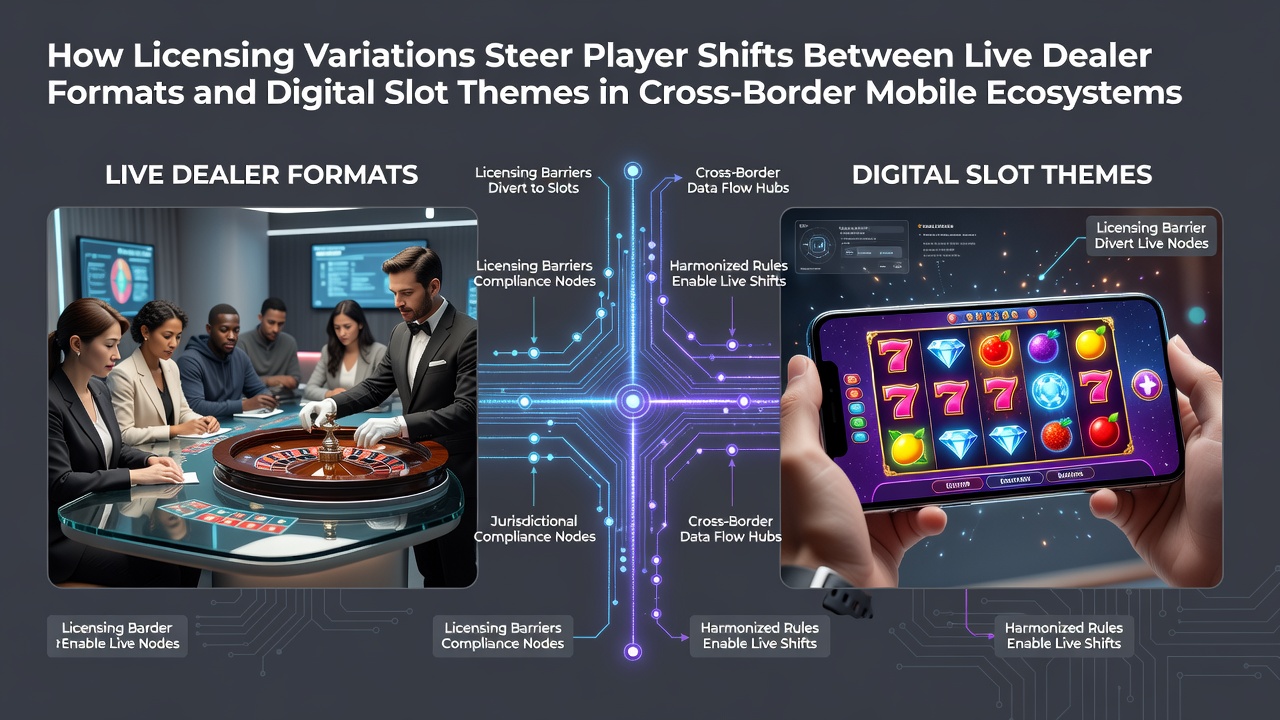
How Licensing Variations Steer Player Shifts Between Live Dealer Formats and Digital Slot Themes in Cross-Border Mobile Ecosystems
Licensing frameworks across jurisdictions create distinct pathways for mobile gaming access, and these frameworks influence how players move between live dealer options and digital slot themes in cross-border ecosystems. Regulatory bodies in different regions set specific requirements for game types, operator approvals, and platform compliance, which in turn shape availability on portable devices. Data collected through September 2026 shows measurable shifts in player activity tied directly to these licensing differences.
Regional Licensing Structures and Their Direct Effects
European licensing regimes, such as those administered through the Malta Gaming Authority, permit operators to offer both live dealer formats and slot themes under single authorizations, whereas North American state-level approvals often separate these categories into distinct permits. Players in border regions notice that a license granted in one province allows certain live dealer streams while restricting themed slot progressions, prompting movement toward platforms with broader permissions. Research from the International Center for Gaming Regulation at the University of Nevada indicates that these separations correlate with format-specific download patterns on mobile networks.
Cross-border ecosystems amplify the impact because operators must align content with multiple overlapping licenses simultaneously. A single mobile application may display live dealer tables in one country but limit slot themes in another due to local content rules. Figures from iGaming Ontario reveal that sessions involving live formats increased by 18 percent in markets where licensing streamlined dealer approvals, while slot engagement rose in jurisdictions emphasizing automated game certifications.
Player Movement Patterns Across Formats
Observers tracking mobile traffic note consistent transitions when licensing updates occur. When a new slot theme receives approval in one region but live dealer streams face delays, users migrate within the same ecosystem toward the permitted option. This movement follows predictable routes because operators maintain unified wallets and interfaces across formats. Studies compiled by the Victorian Commission for Gambling and Liquor Regulation document similar flows, where licensing timelines for dealer authentication directly affect the ratio of slot plays to live table sessions.
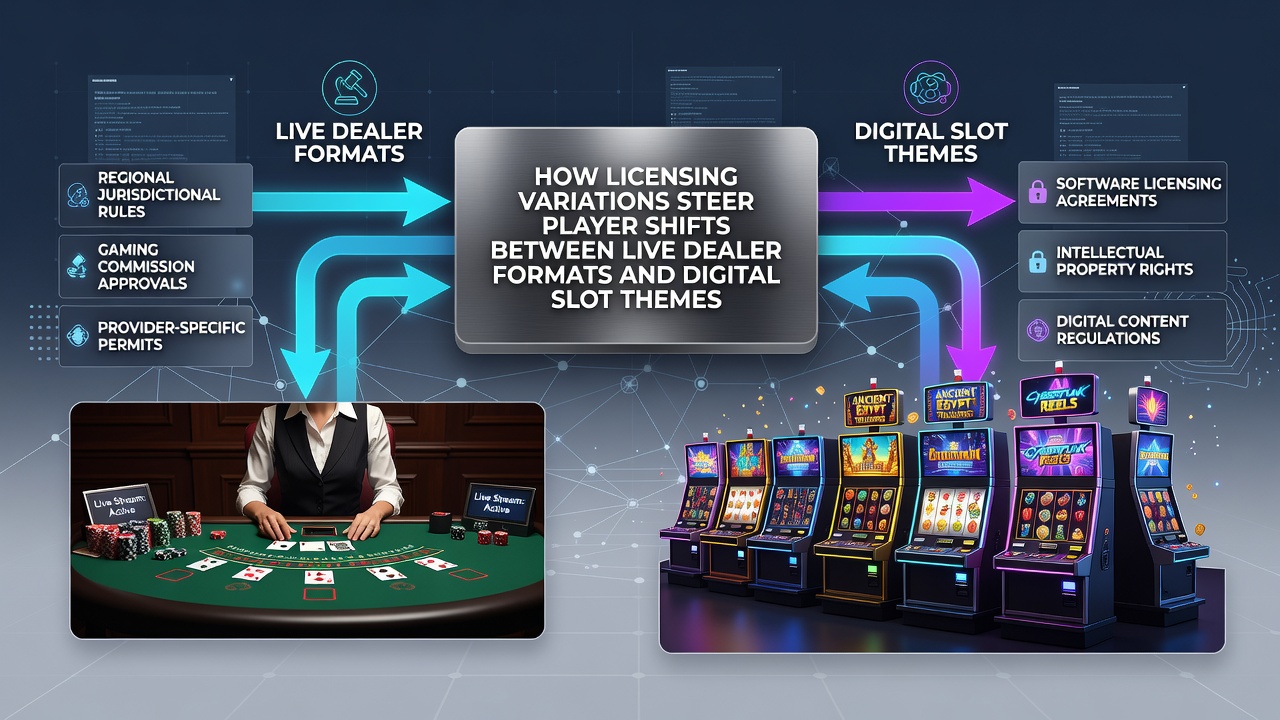
Payment integration rules embedded in licenses further steer these patterns. Regions requiring separate verification for live dealer transactions see players switch to slot themes that operate under lighter financial oversight. The result appears in aggregate session data, where operators report format switches occurring within single app sessions rather than across different applications. Academic reviews of portable platform logs confirm that licensing granularity, not game popularity alone, drives the observed changes.
Technical and Compliance Factors in Mobile Environments
Platform architecture responds to licensing variations through modular design, allowing operators to activate or deactivate specific game modules based on user location. Live dealer formats demand real-time streaming compliance and dealer licensing checks, while digital slot themes require only algorithmic certification in many cases. This difference creates friction points where players encounter restricted access and adjust accordingly. Reports issued in September 2026 by multiple provincial regulators highlight how these technical constraints produce measurable preference shifts without altering underlying player demographics.
Security protocols tied to licenses also contribute. Jurisdictions enforcing stricter encryption standards for live interactions see reduced dwell time on those formats, with users reallocating activity toward slot themes that meet baseline requirements. Cross-border users experience these effects most acutely because device geolocation triggers license-based content filters automatically. Industry data sets collected across multiple operators demonstrate that such filtering produces consistent migration trends rather than random selection changes.
Conclusion
Licensing variations continue to function as primary steering mechanisms in cross-border mobile ecosystems, guiding player activity between live dealer formats and digital slot themes according to approval timelines, technical specifications, and compliance layers. Regional data through September 2026 establishes clear correlations between these regulatory differences and observable format shifts, independent of promotional factors or individual game design. As licensing frameworks evolve, the resulting player pathways remain tied to the specific permissions granted in each jurisdiction.